Food wrapping paper is an essential material used in kitchens, restaurants, and food businesses to preserve the quality and freshness of food items. With its variety of types, each serves a specific purpose based on the food being packaged. Understanding the different types of food wrapping paper available can help you make the right choice for your culinary needs.
Greaseproof Paper
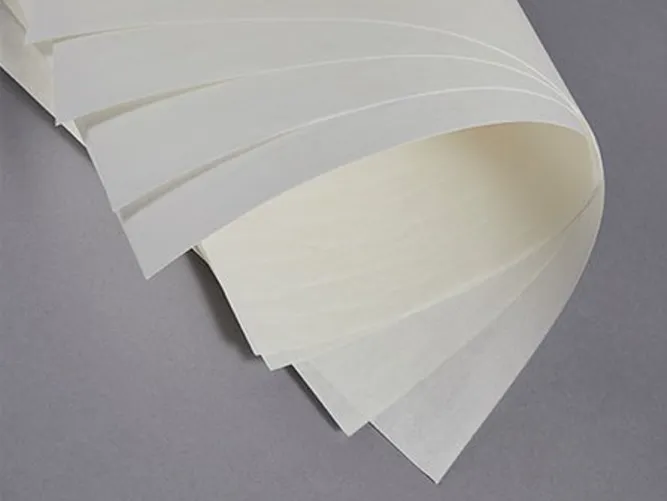
Greaseproof paper is a popular choice in the food industry, particularly for wrapping greasy or oily foods. This type of paper has been treated to resist grease and moisture, preventing it from becoming saturated and maintaining the integrity of the food it's enveloping. Commonly used for wrapping sandwiches, pastries, and fried foods, greaseproof paper not only keeps food fresh but also helps avoid mess during consumption. Its ability to tolerate high temperatures makes it ideal for both hot and cold items, ensuring that flavors do not mix and that the food doesn't lose its appeal.
Kraft Wrapping Paper
Kraft wrapping paper is another versatile option for food packaging, known for its strength and eco-friendliness. Made from unbleached pulp, this brown paper is biodegradable and can be recycled, making it a favorite among environmentally conscious consumers and businesses. Kraft paper is typically used for wrapping gifts, but its robustness also makes it suitable for food wrapping. It is often found in bakeries and delis, where it is used to wrap bread, donuts, and other baked goods. The porous nature of Kraft paper allows food to breathe, reducing the chances of condensation build-up and spoilage.
Wax Paper
Wax paper is coated with a thin layer of wax, making it moisture-resistant and non-stick. This type of wrapping paper is commonly used for preparing and storing food items. It is particularly useful for lining baking trays and wrapping sandwiches or cheese. However, it is important to note that wax paper is not microwave-safe and should not be used when cooking. Its versatility makes it a staple in many kitchens, allowing for both food storage and easy cleanup after meal preparations.
Aluminum Foil
Aluminum foil is an essential tool in food wrapping, primarily for its ability to keep foods fresh while also being heat-resistant. It is excellent for wrapping leftovers and cooking items in the oven, as it provides a tight seal that helps retain moisture and flavor. Aluminum foil can also reflect heat, making it useful for both cooking and refrigerating food. While it is not suitable for use in microwave ovens due to the risks of sparks, aluminum foil remains a popular choice for various food preservation needs.
Plastic Wrap
Plastic wrap, or cling film, is a flexible nylon or PVC film designed to cover and seal food. It clings tightly to dishes, containers, and food items, keeping them fresh for longer periods. Plastic wrap is ideal for covering bowls of leftovers, wrapping fruits, or encasing sandwiches. However, it's crucial for consumers to choose BPA-free plastic wrap to ensure food safety. While it is a convenient option, it is not biodegradable, and therefore, proper disposal methods should be considered.
In conclusion, when it comes to choosing the right food wrapping paper, understanding the various options available can make all the difference in maintaining food quality and safety. From greaseproof and Kraft wrapping paper to specialty options like wax paper, aluminum foil, and plastic wrap, each type has unique benefits. For those looking for reliable supplies, feel free to reach out to us. As a dedicated supplier, we can provide you with the best food wrapping solutions tailored to your needs. Contact us today for a consultation!
Comments
Post a Comment