In recent years, there has been growing concern over the environmental impact of various consumer products, including microwave popcorn bags. As consumers become more conscious of their environmental footprint, it's essential to understand the implications of our everyday choices, including the packaging of popular snacks like microwave popcorn. In this article, we delve deep into the environmental impact of microwave popcorn bags, exploring the materials used, their disposal, and potential alternatives.
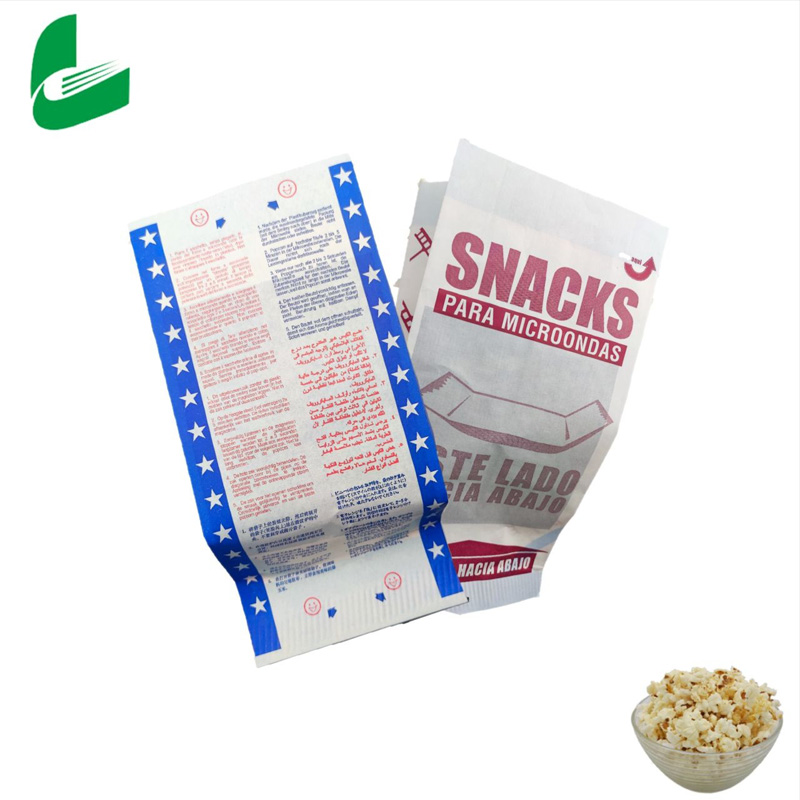
Microwave popcorn bags are typically made from a combination of paper, plastic, and metal. The inner lining of the bag often contains perfluorooctanoic acid (PFOA), a chemical used to prevent the oil from seeping through the paper during the cooking process. While PFOA has been phased out due to health concerns, its alternatives, such as perfluorooctanesulfonic acid (PFOS), may still pose environmental risks.
Plastic Pollution and Microwavable Packaging
Plastic, a significant component of microwave popcorn bags, presents a significant environmental challenge. Single-use plastics contribute to ocean pollution, harming marine life and ecosystems. Additionally, plastic production and disposal contribute to greenhouse gas emissions and exacerbate climate change.
Disposal Challenges and Environmental Impact
Once used, microwave popcorn bags pose disposal challenges. The combination of materials, including paper and plastic, makes them difficult to recycle. Improper disposal, such as throwing them in regular waste bins, can lead to landfill accumulation and further environmental degradation.
Incineration and Air Pollution
Some microwave popcorn bags may end up in incineration facilities. When burned, the plastic components release harmful toxic fumes and particulate matter, contributing to air pollution and posing health risks to nearby communities.
Sustainable Alternatives and Solutions
As awareness of environmental issues grows, manufacturers and consumers are seeking sustainable alternatives to traditional microwave food bags.
Compostable Packaging
One promising solution is the use of compostable packaging materials. Compostable bags made from plant-based materials, such as cornstarch or sugarcane fiber, offer a biodegradable alternative to conventional plastic-lined bags. These materials break down naturally in composting facilities, reducing waste and environmental impact.
Reusable Popcorn Containers
Another eco-friendly option is reusable popcorn containers. These durable containers, made from stainless steel or silicone, can be used repeatedly, eliminating the need for single-use packaging altogether. By investing in reusable containers, consumers can significantly reduce their environmental footprint and enjoy microwave popcorn guilt-free.
Conclusion
The environmental impact of Microwave Safe Paper Bags is undeniable, from plastic pollution to landfill accumulation. However, with a shift towards sustainable alternatives and consumer awareness, there is hope for a greener future. By choosing compostable packaging or investing in reusable containers, individuals can make a positive impact on the environment while still enjoying their favorite snack.
Comments
Post a Comment